How staffing firms are classified for workers’ comp on construction sites
How staffing firms are classified for workers’ comp on construction sites
By O. Rickey Harris, Harris Insurance
If you run a staffing firm that places electricians, pipefitters, welders, or helpers on construction jobs, your workers’ comp premium depends heavily on how your people are classified. Get it wrong at the start, and you’ll usually find out at the audit, when it costs the most. Here’s how it generally works.
The basic rule
Workers’ comp rates are set by class code. Each code describes a type of work and carries its own rate. For most employers, the business is classified by what the business does.
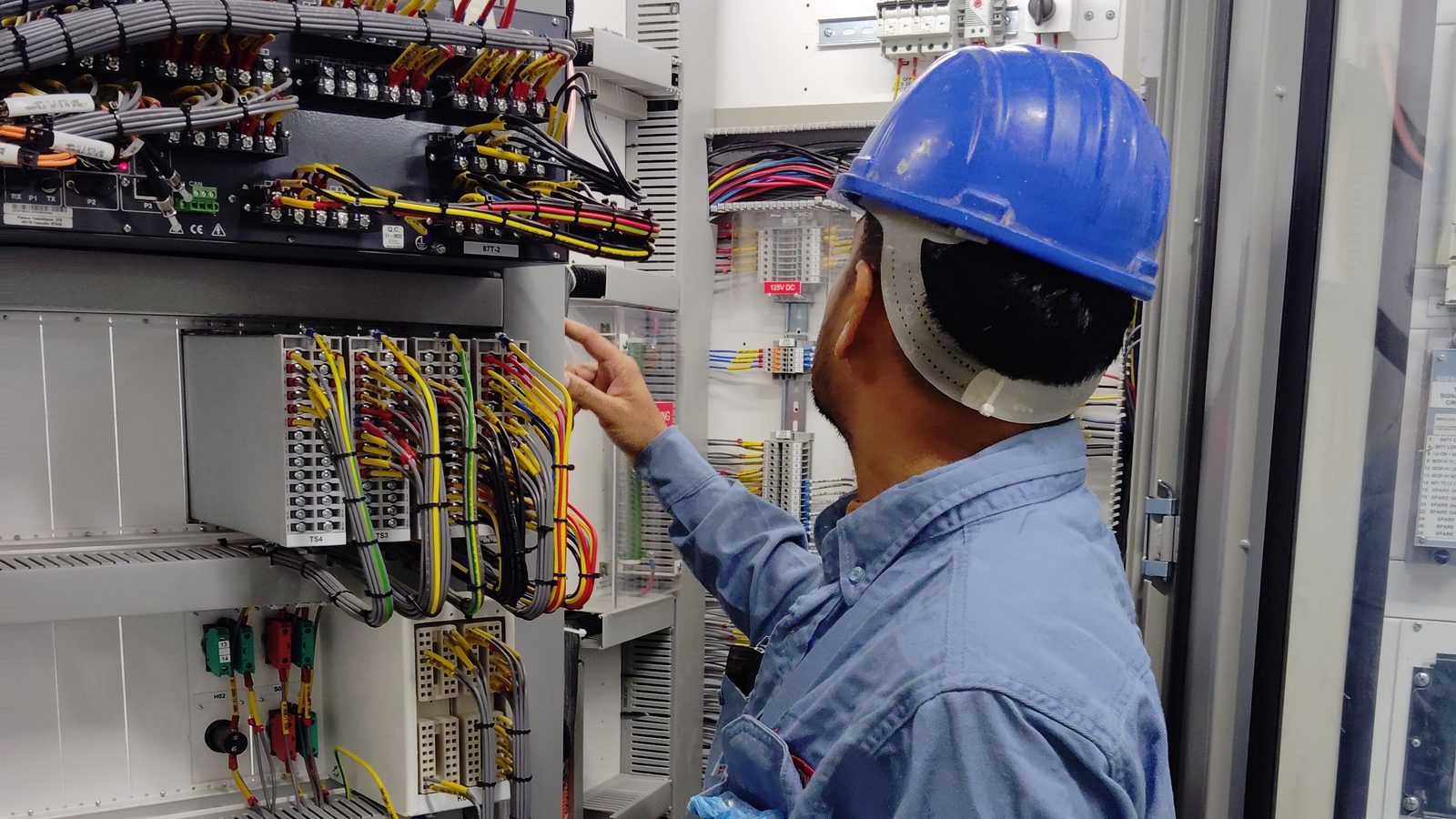
Staffing firms are different. In most states, the workers you place are classified based on the work they actually do at the client’s location. A temporary electrician on a data center build is generally rated like an electrician, not like a clerical employee of a staffing agency.
That means a staffing firm can end up with many class codes on one policy, one for each type of work its people perform.
Common construction codes
These are typical NCCI codes for trades you’ll see on data center jobs:
- 5190: electrical wiring within buildings
- 5183: plumbing and pipefitting
- 5537: HVAC and refrigeration installation and service
- 3724: machinery or equipment erection, including millwrights
- 5040 and 5057: steel erection
- 6325: conduit construction and underground wiring
- 8810 and 8742: standard exceptions for your own office staff and outside salespeople
Codes vary by state. Some states have their own rating bureaus and their own codes. Your underwriter confirms the codes for each state on the policy.
Why job titles aren’t enough
A “general laborer” can be sweeping a finished hall or pulling cable in a ceiling. Those are different exposures. Insurance companies and auditors look at what the person actually does, not what you call the position.
That’s why we ask for:
- A job description for each type of placement
- The client’s business and the site’s work
- Whether your workers use tools, operate equipment, or work at height
- Who supervises them on site
The more precise you are at the start, the closer your deposit premium will be to your final audited premium.
Why audits surprise staffing firms
The common problems are:
- Estimated payroll was too low. Data center jobs can ramp up quickly. If you add 50 electricians mid-year, your premium goes up at audit.
- Payroll was put in the wrong class. If payroll was reported as lower-rated work and the auditor finds it was electrical, the difference gets billed.
- New states. A client in a new state can add a new class and a new state at once. See 3.A vs 3.C.
- Per diem. Undocumented per diem may be counted as payroll.
How monthly reporting can help
Some markets let staffing firms report payroll and pay premium monthly instead of paying a large deposit up front and settling at audit. That keeps premium in line with actual payroll as you grow or shrink. We offer pay-as-you-go monthly payroll reporting for staffing firms. Terms depend on the market and state.
Your experience mod
Your experience modification rate (mod) compares your losses to what’s expected for your size and classes. On large wrap-up projects, general contractors and wrap administrators often screen labor providers by mod. A common cutoff is 1.00. A high mod can keep you off a job regardless of price.
Ways to manage it over time:
- Screen and train new hires before placing them.
- Confirm the client’s site safety program and your role in it.
- Report injuries promptly and manage return to work.
- Review your mod worksheet every year for errors.
Contract terms with your clients
Your client contracts also affect your insurance. Look for:
- Who supervises and directs your workers
- Waiver of subrogation and additional insured requirements
- Employer’s liability and umbrella limits
- Indemnity language
Send the insurance section to your agent before you sign.
A short checklist
- List every type of placement and describe the actual work.
- Match each to a class code by state, confirmed by the underwriter.
- Estimate payroll by class and state, including expected growth.
- Document per diem separately from wages.
- Track payroll by class and state monthly.
- Review your mod worksheet every year.
- Check client contracts before signing.
How we help
Staffing workers’ comp is a core part of our business. We help staffing firms that supply skilled trades set up classification, reporting, and coverage for the states they work in. Learn more about staffing workers’ comp for electricians and craft labor.
O. Rickey Harris, Harris Insurance (Old National Insurance Inc.), Jasper, Alabama